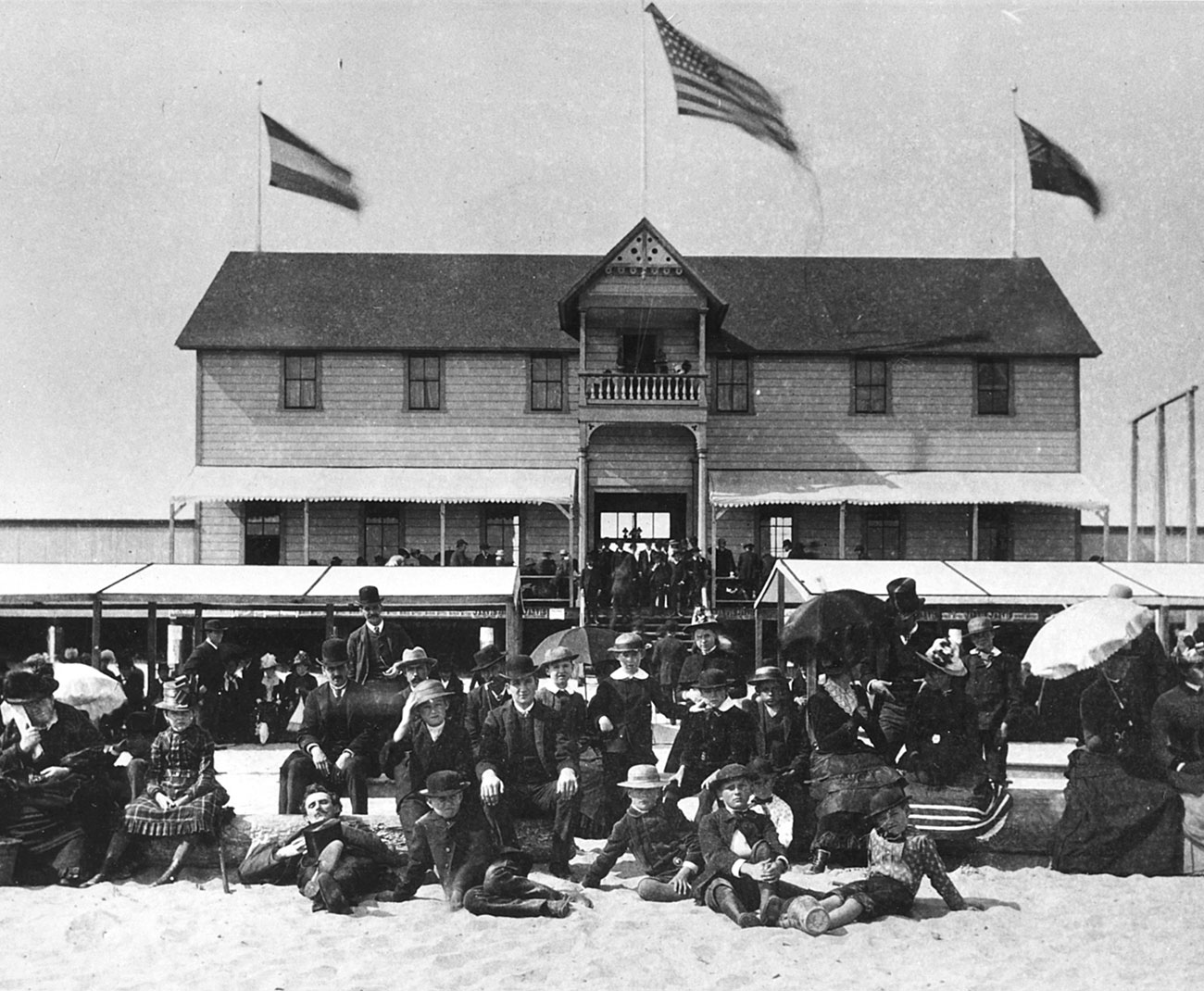
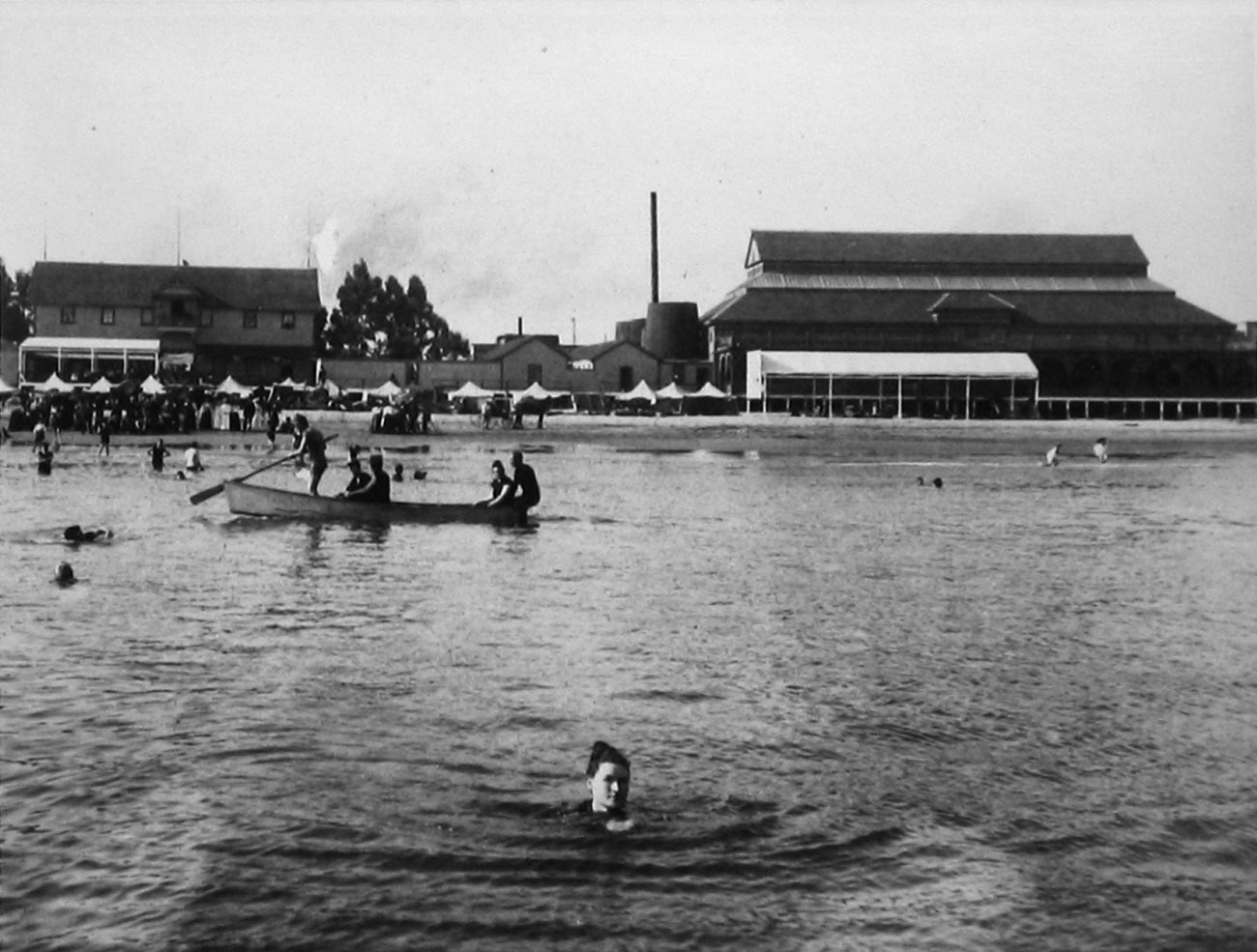
The popularity of beaches grows in the late 1800s as people come to believe that “taking the waters” is good for their health. Bathhouses spring up along the beach in Santa Cruz, giving visitors a place to safeguard their modesty when changing into bathing clothes before entering the water.
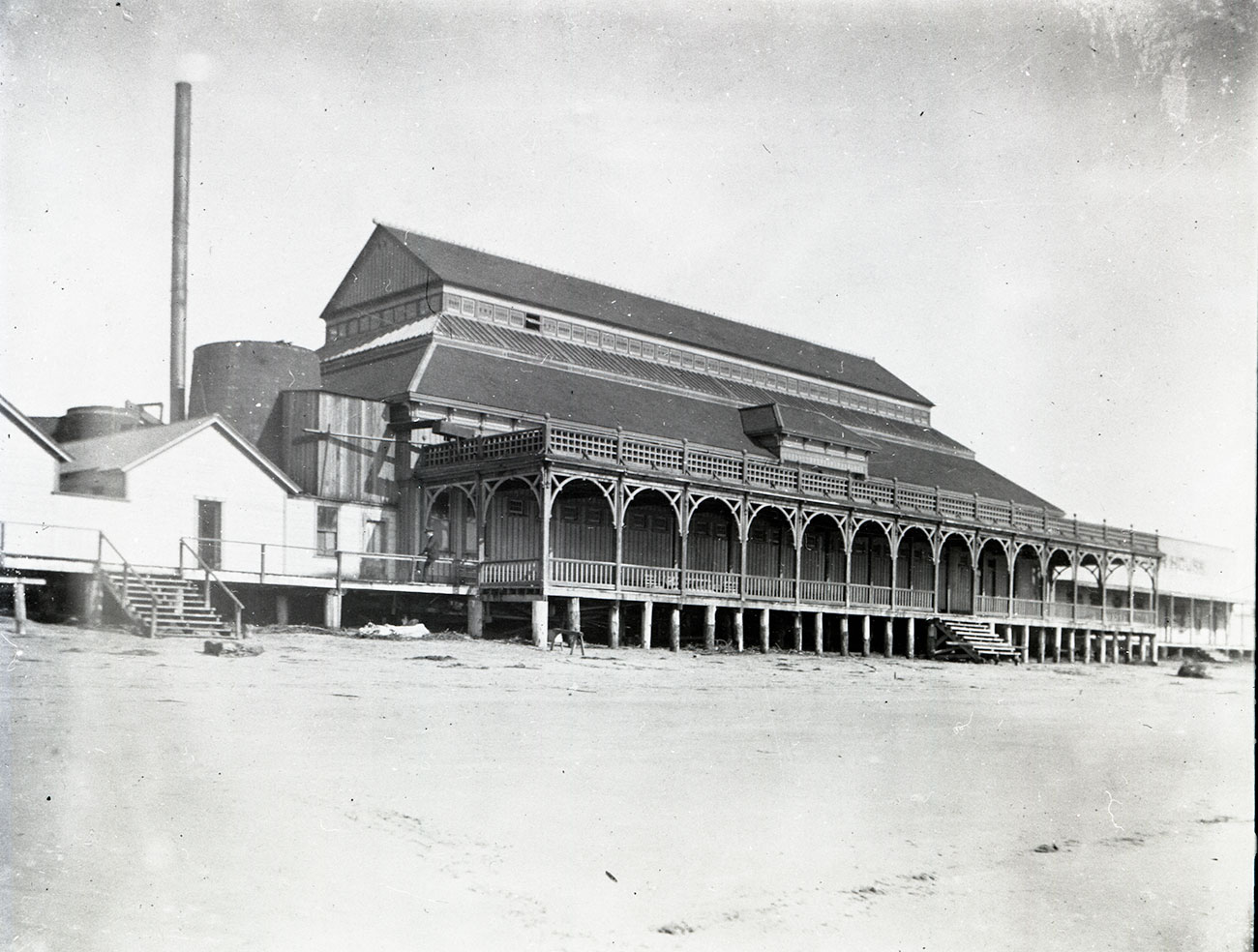
Starting in the 1860s several local families build a number of bathing facilities along the water front, including the Long Branch Bathhouse, the Dolphin Bath House, Neptune Baths, and the Miller-Leibbrandt Plunge Baths. The landscape of the waterfront changes when Fred Swanton secures financing to build the Neptune Casino to the west of the Plunge Baths.
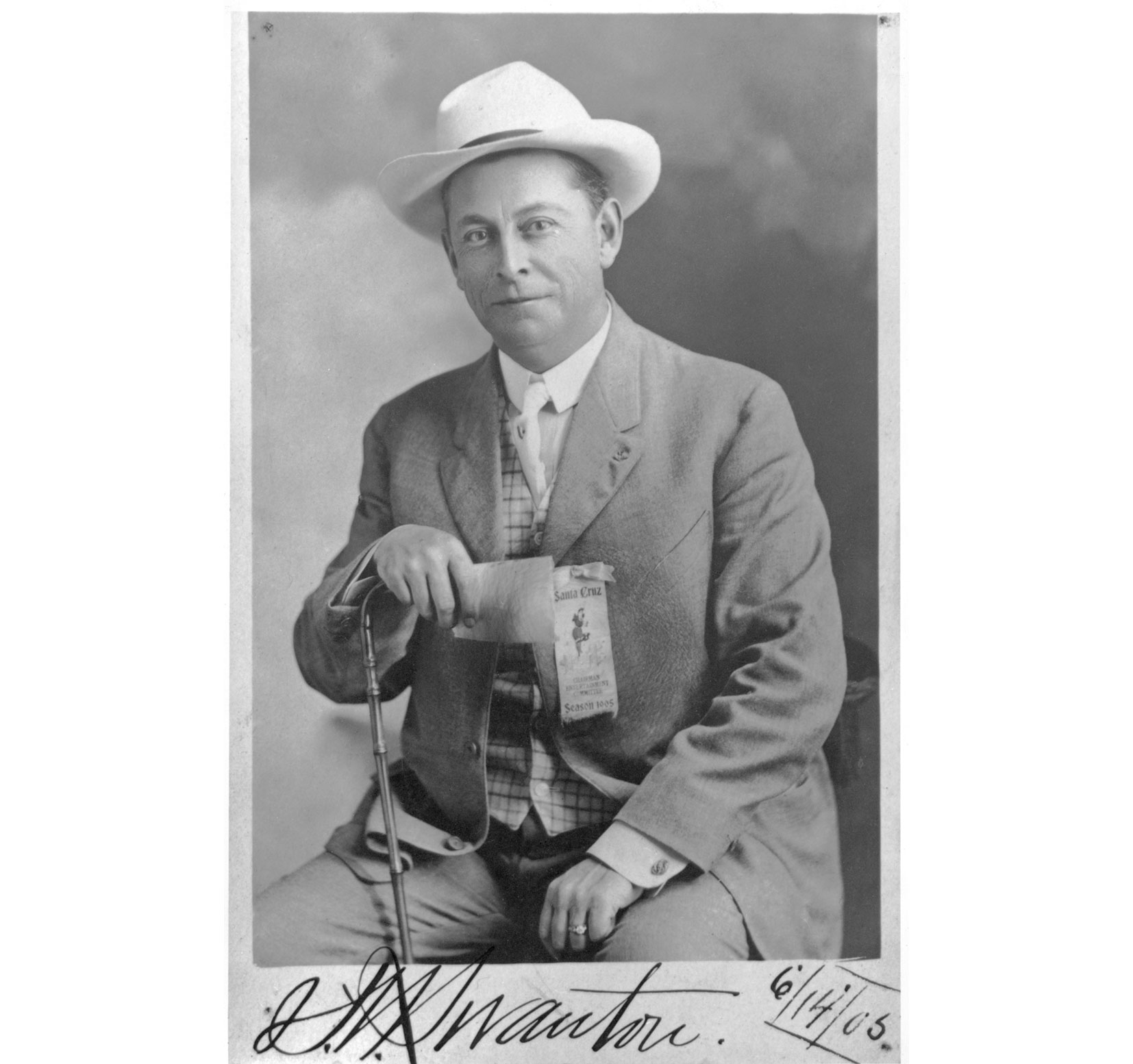
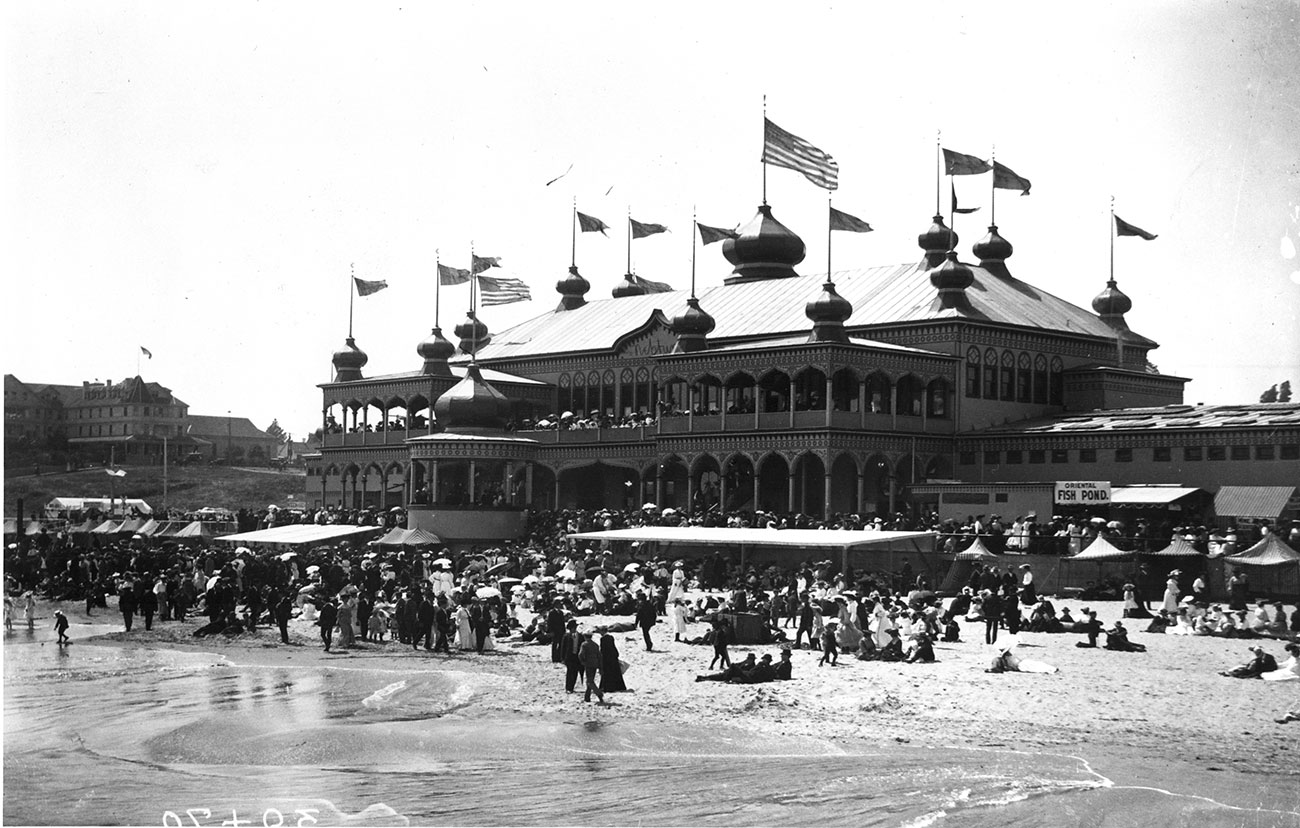
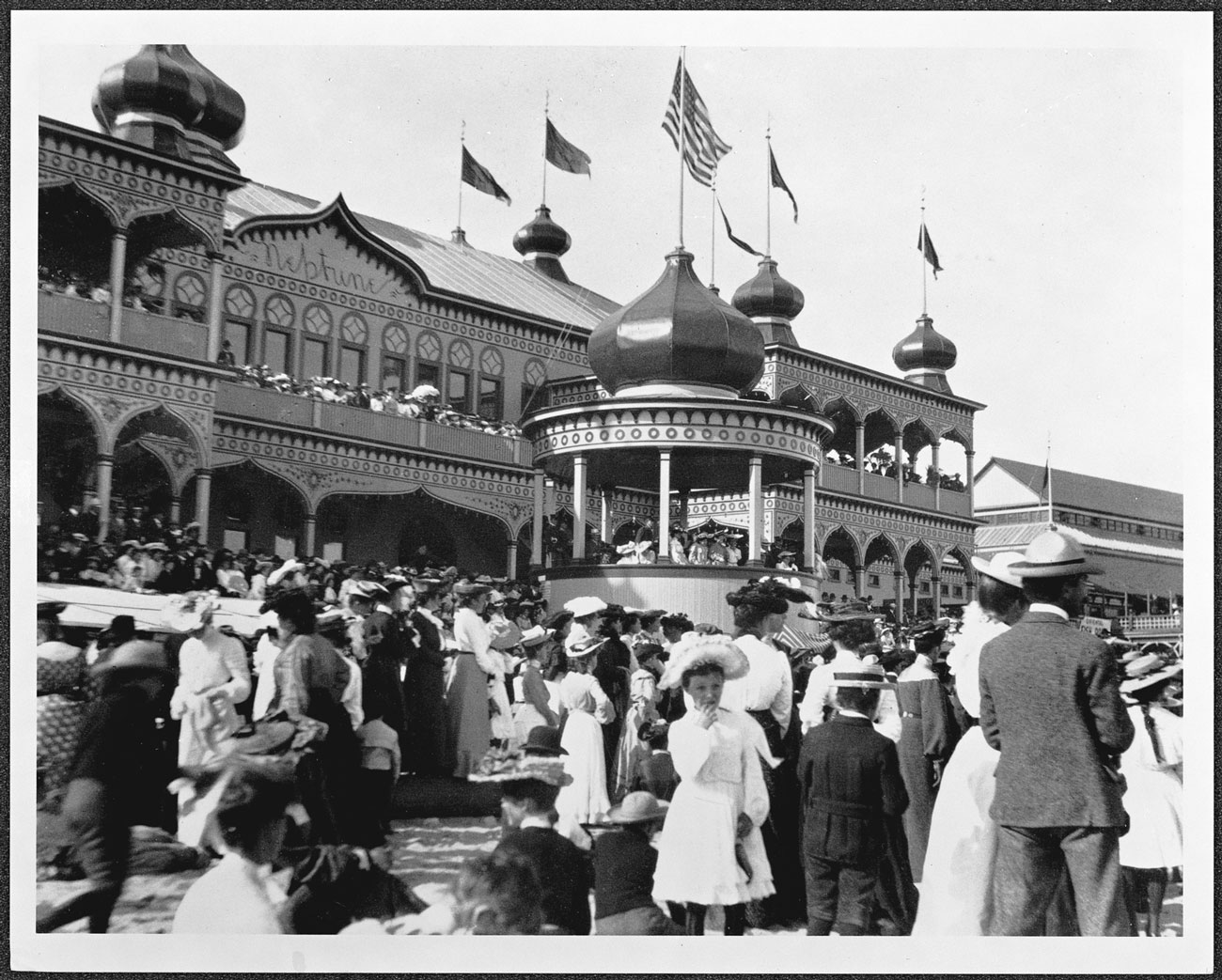
Fred Swanton, a local businessman, wants to develop Santa Cruz into the Coney Island of the West. By 1904 he secures funding and government support to build the Neptune Casino next to the Miller-Leibbrandt Plunge, creating one large beach area tourist attraction.
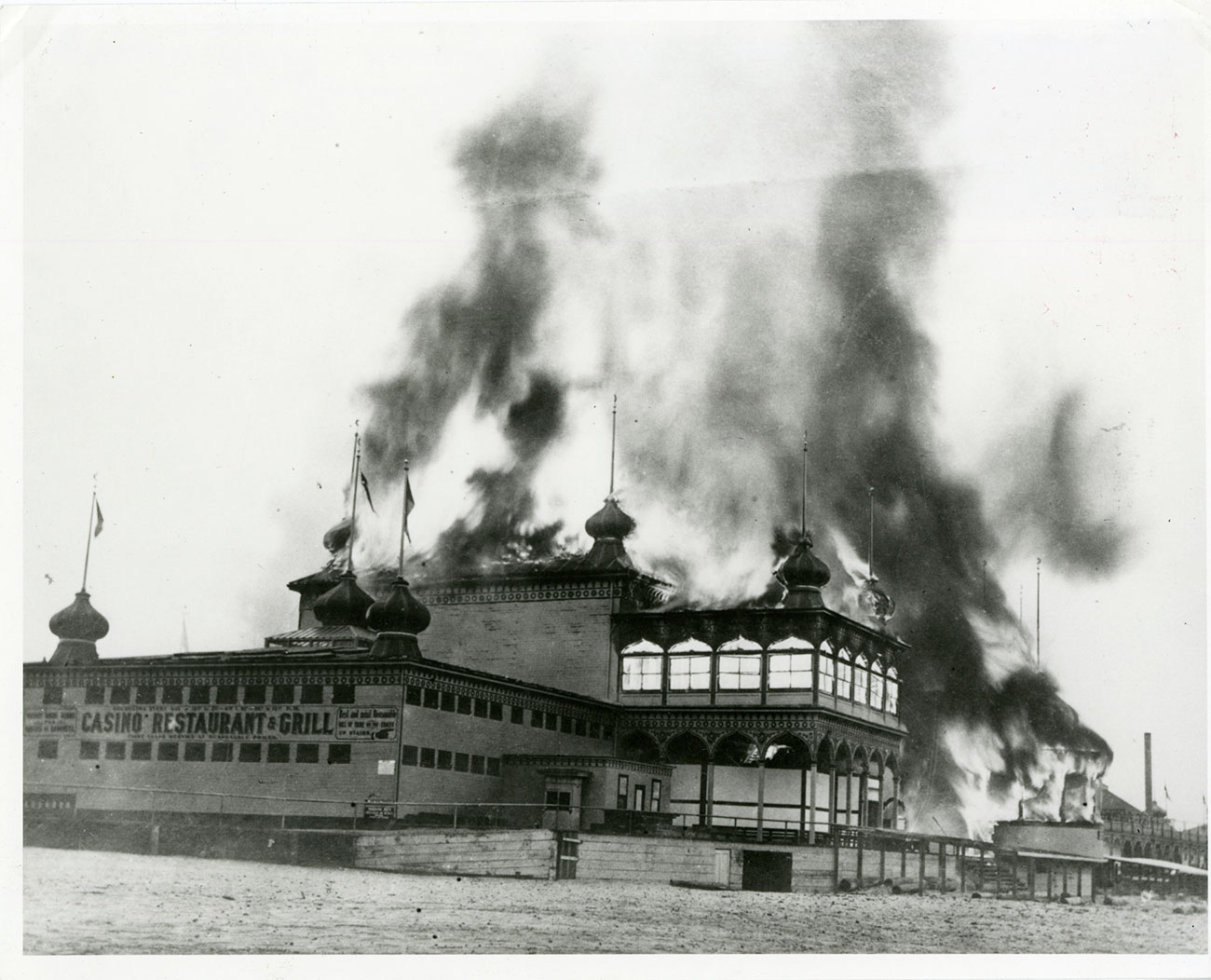
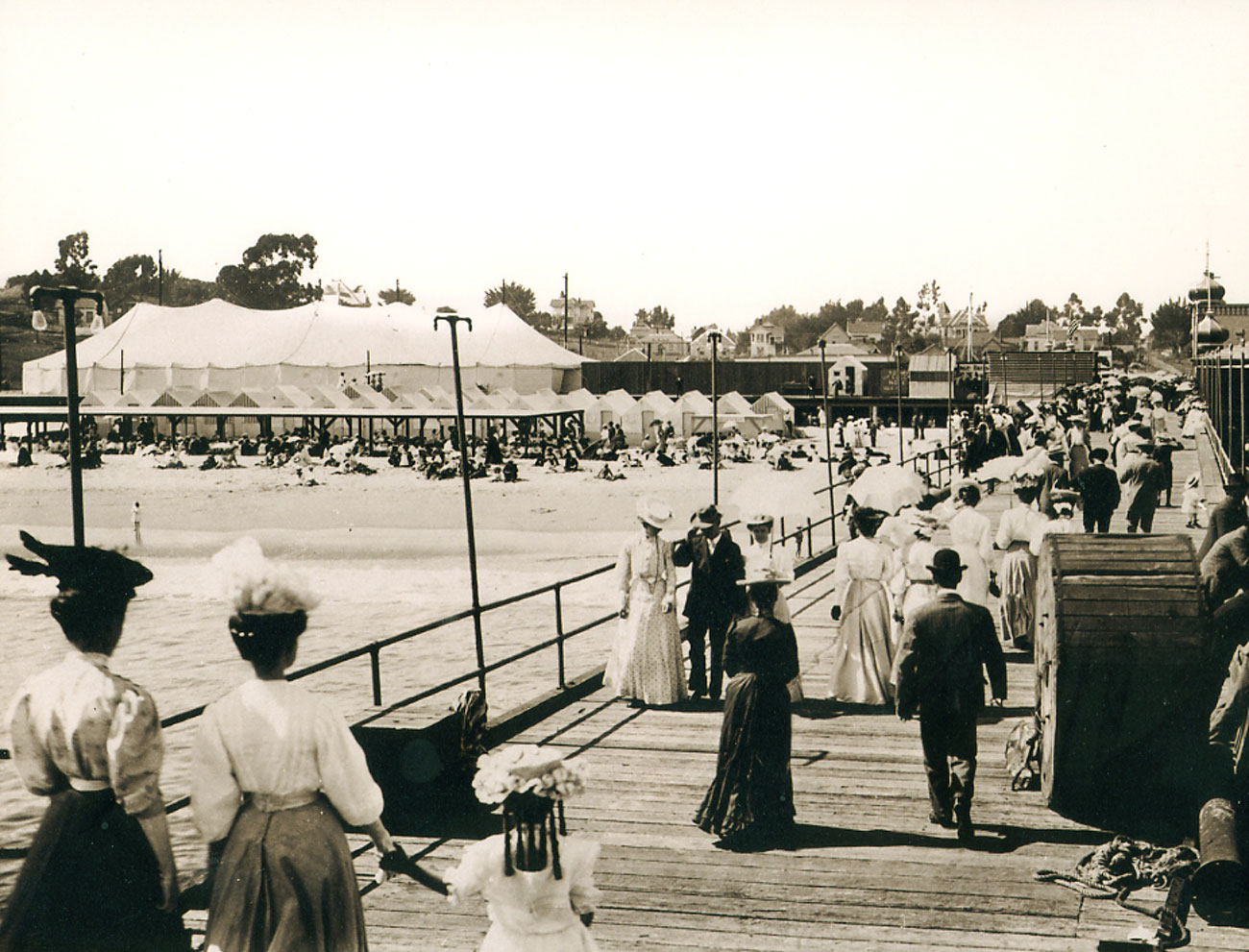
On June 11, 1906, just two years after its grand opening, disaster strikes! The Neptune Casino burns to the ground. In the weeks after the fire, Swanton forms the Santa Cruz Beach Company, names himself Director-General, and begins raising funds.
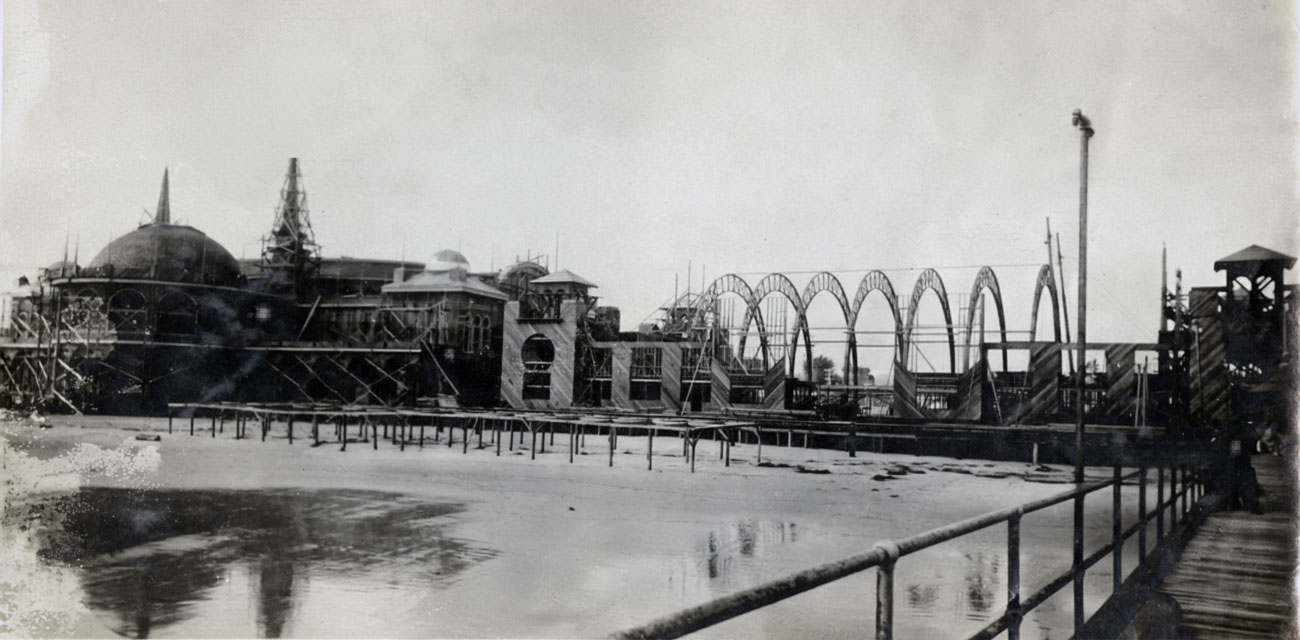
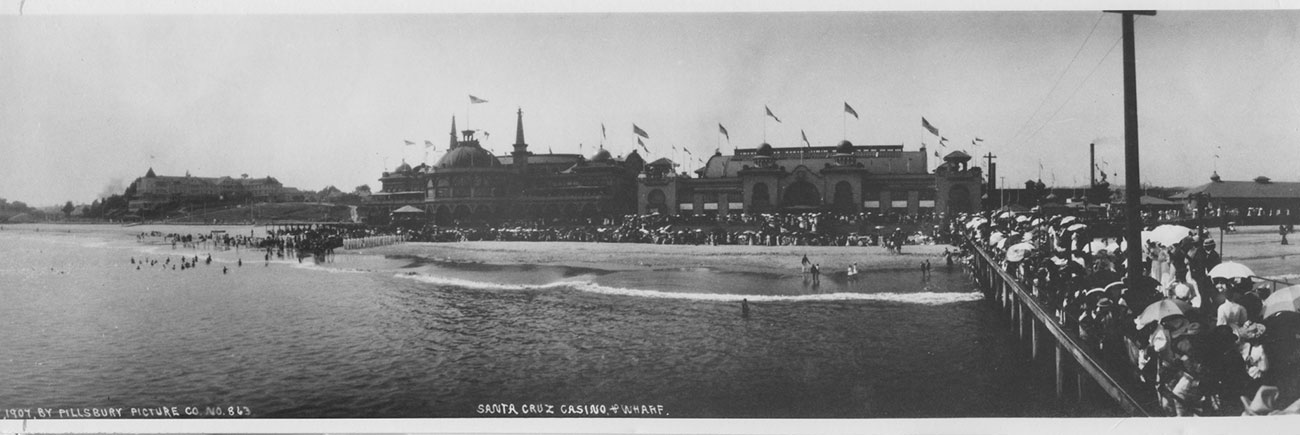
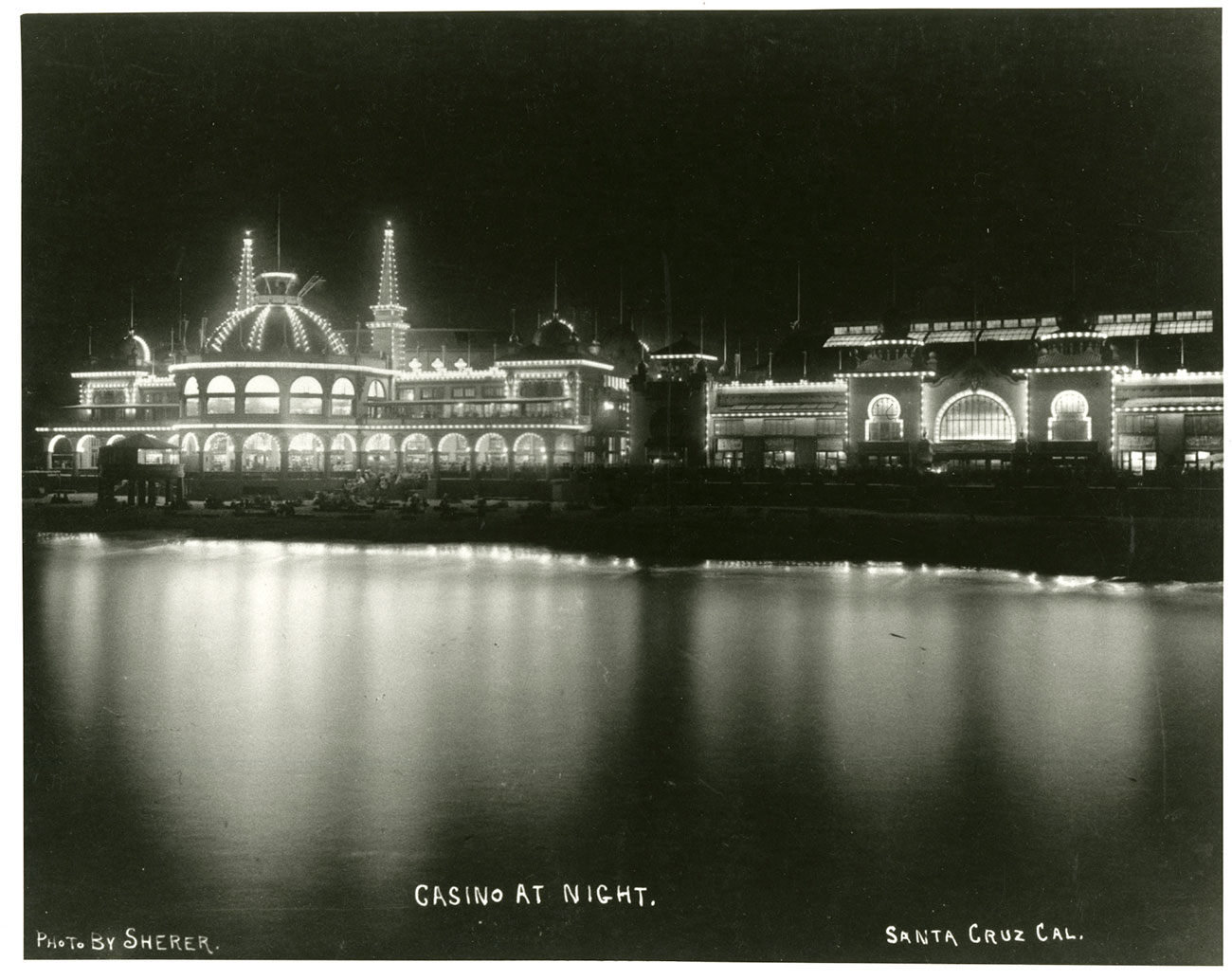
The second Casino and Natatorium buildings are constructed in an astonishing nine months with an extravagant grand opening on June 15, 1907.
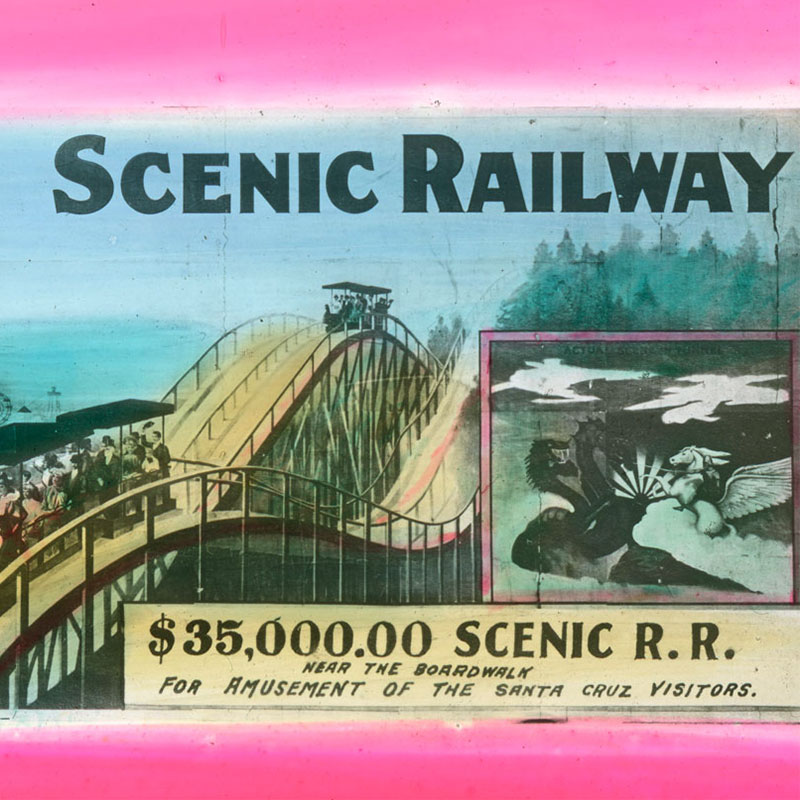
The beach's first thrill ride, a roller coaster known as the L.A. Thompson Scenic Railway, opens on July 1.
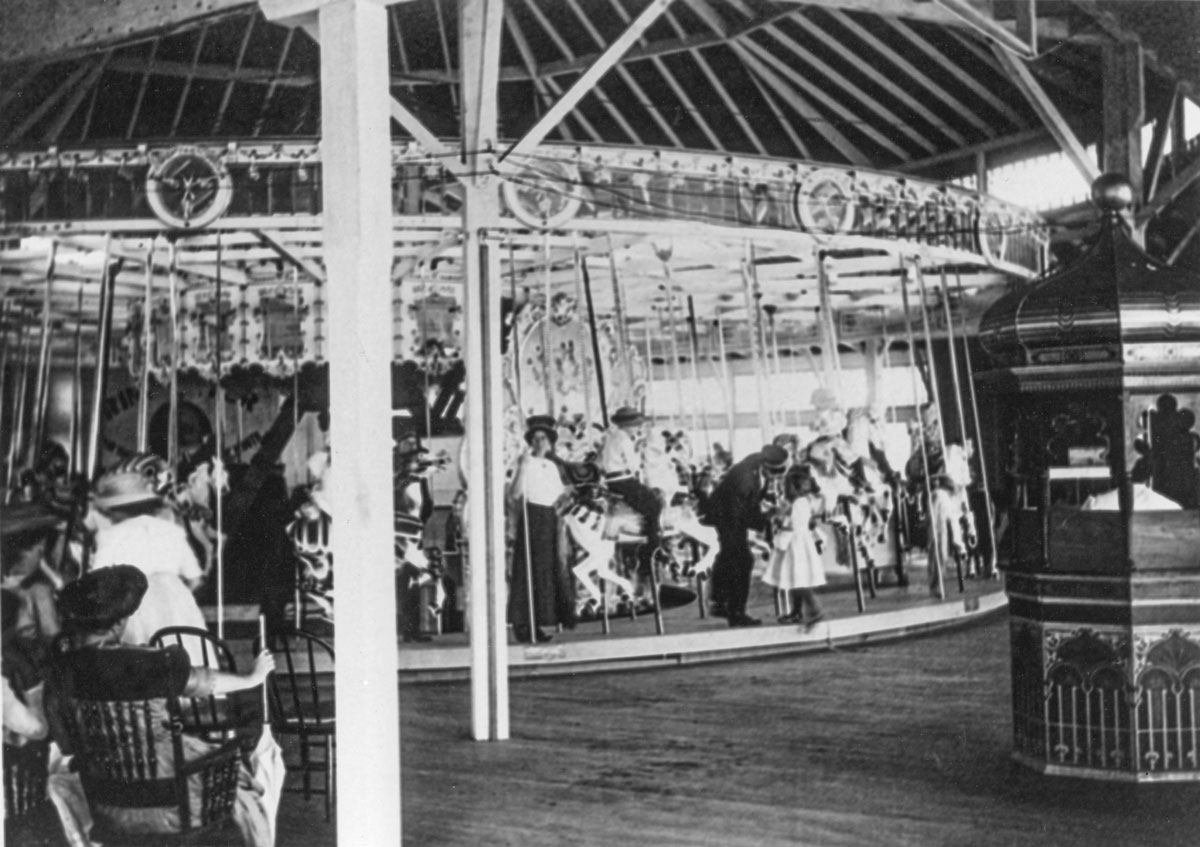
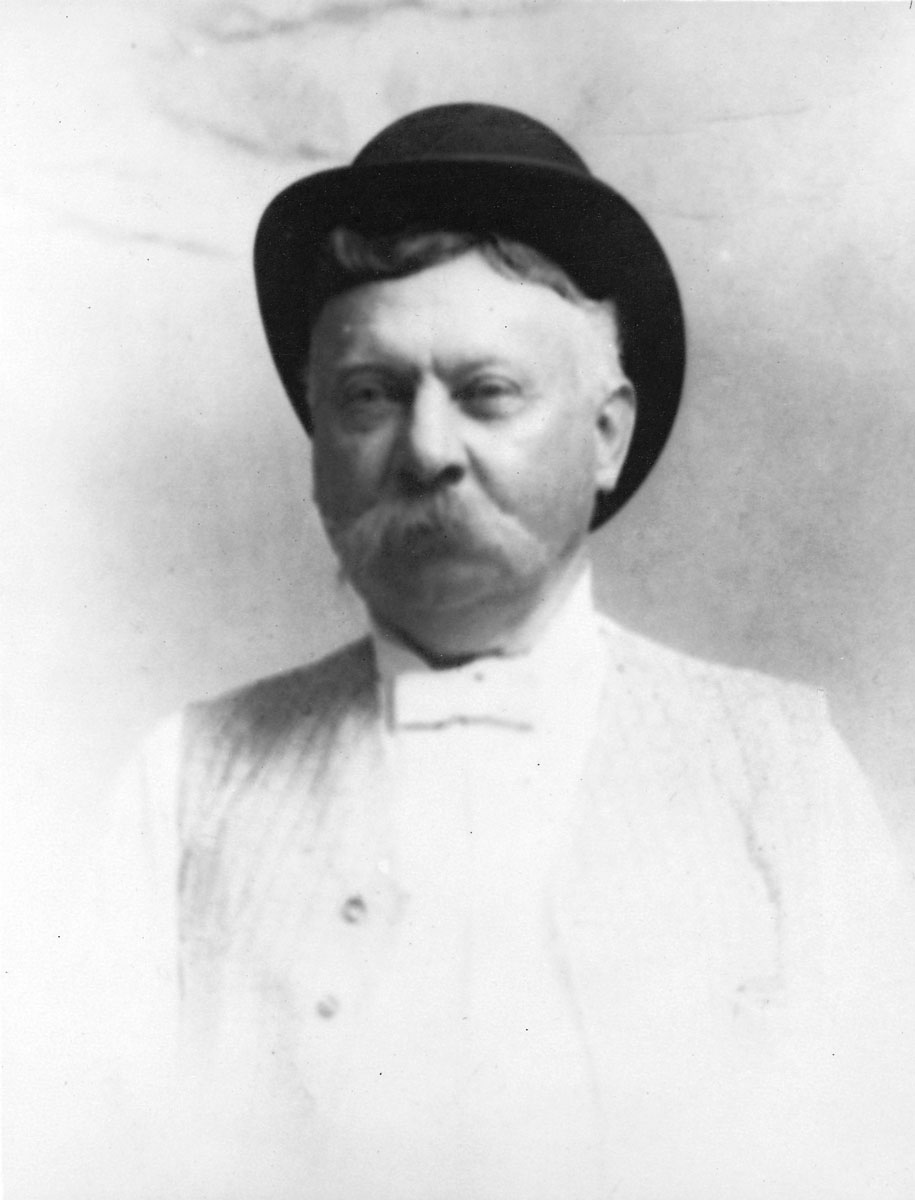
The Looff Carousel has come to represent the heart and soul of the Boardwalk. Charles ID Looff and his team of carvers manufacture the carousel, install it on the Boardwalk, and operate it starting in 1911.
In 2011 the Boardwalk celebrates the Carousel's 100th anniversary with much fanfare.
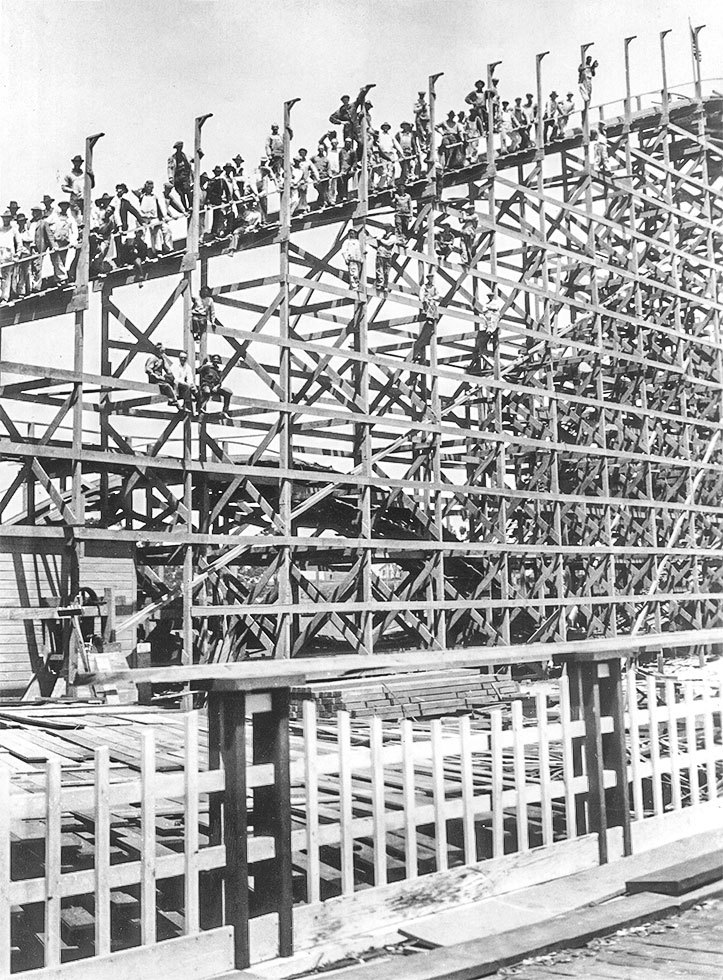
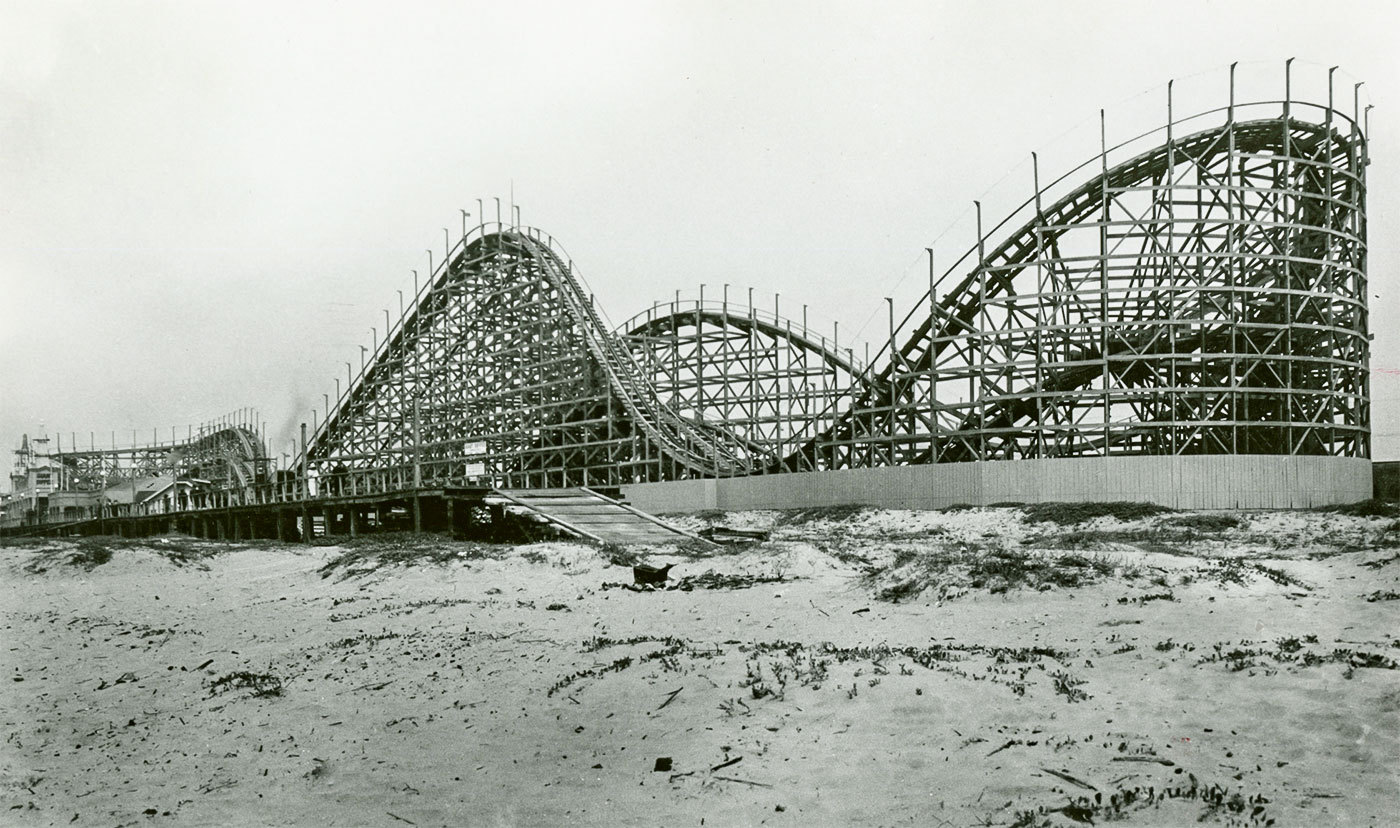
The Giant Dipper begins operation and quickly becomes the Boardwalk’s crown jewel. It speeds riders along the Boardwalk where the sights and sounds and smell of Pacific salt air bolster the ambiance of this breath-taking experience. It’s the oldest wooden roller coaster on the West Coast and the fourth oldest coaster in the U.S. continuously operating in its original location. The Giant Dipper has delivered thrills for generations of Guests for nearly 100 years.
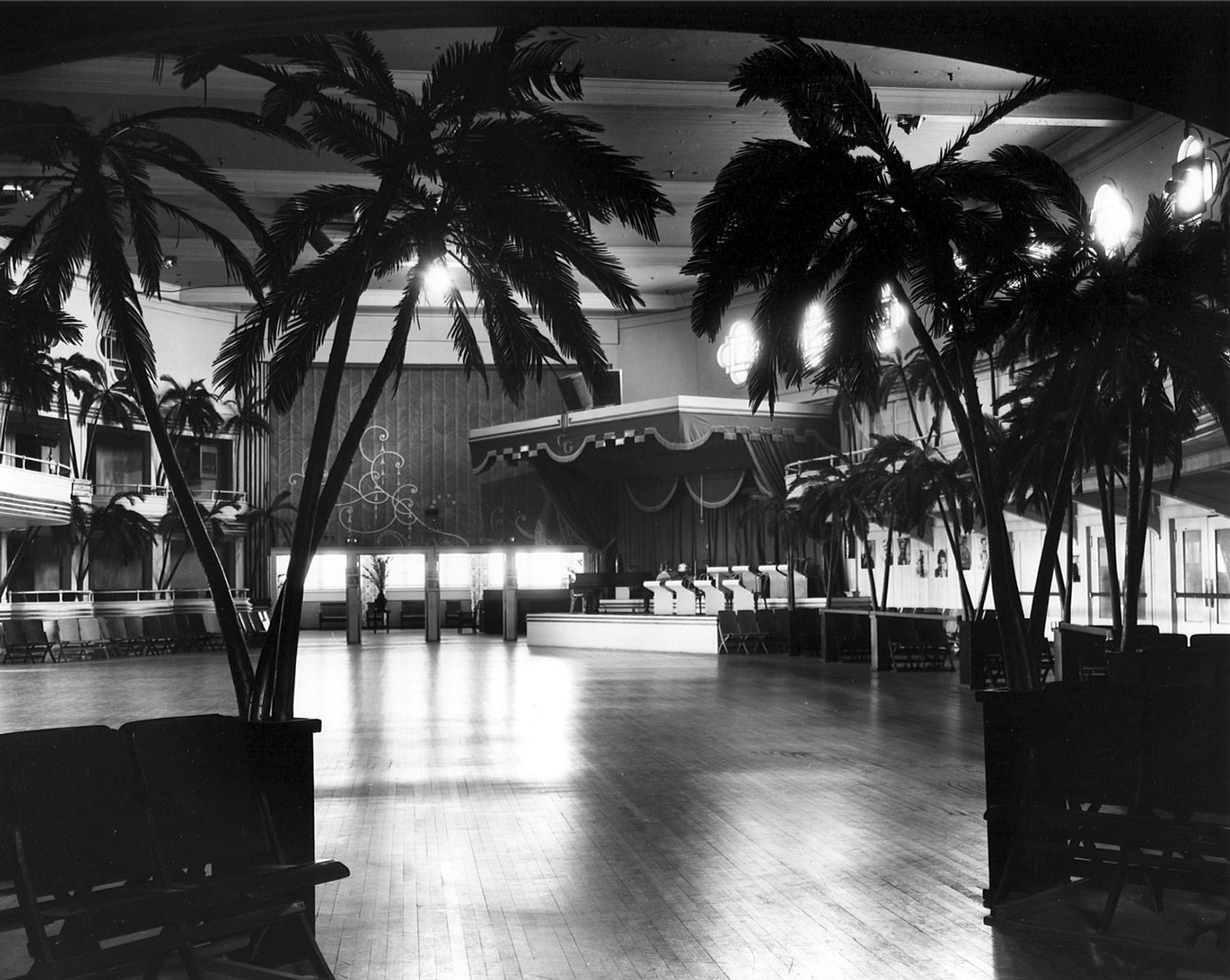
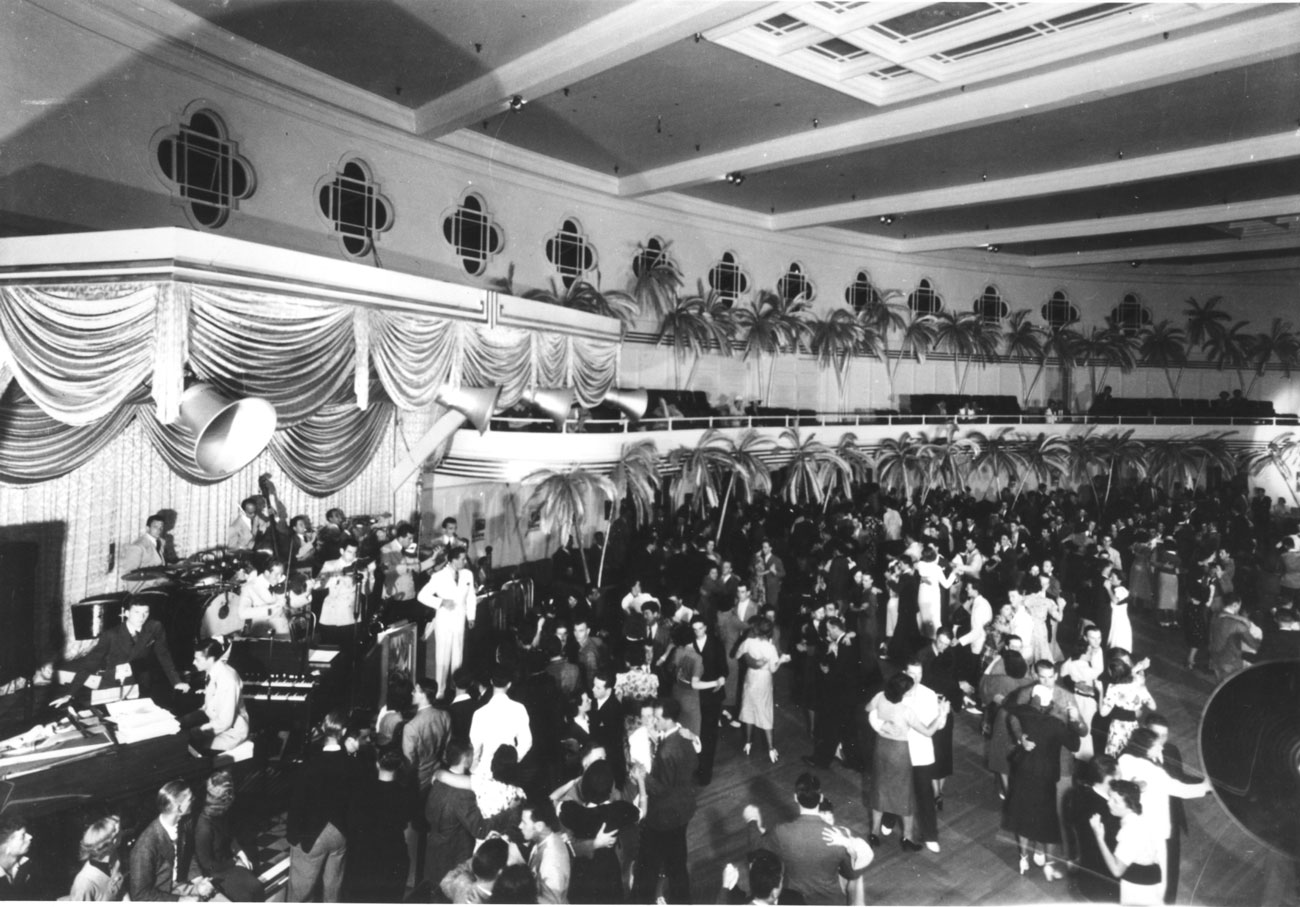
After almost three decades of operation as the Casino Ballroom, in 1934 the remodeled, redecorated, and renamed Cocoanut Grove ballroom opens on May 5. Under the direction of the Troyer brothers, who also operated the Casa del Rey Hotel, the space is decked out with more than 250 real palm trees for a South Seas look and feel. The Cocoanut Grove hosted some of the major names of the Big Band era.
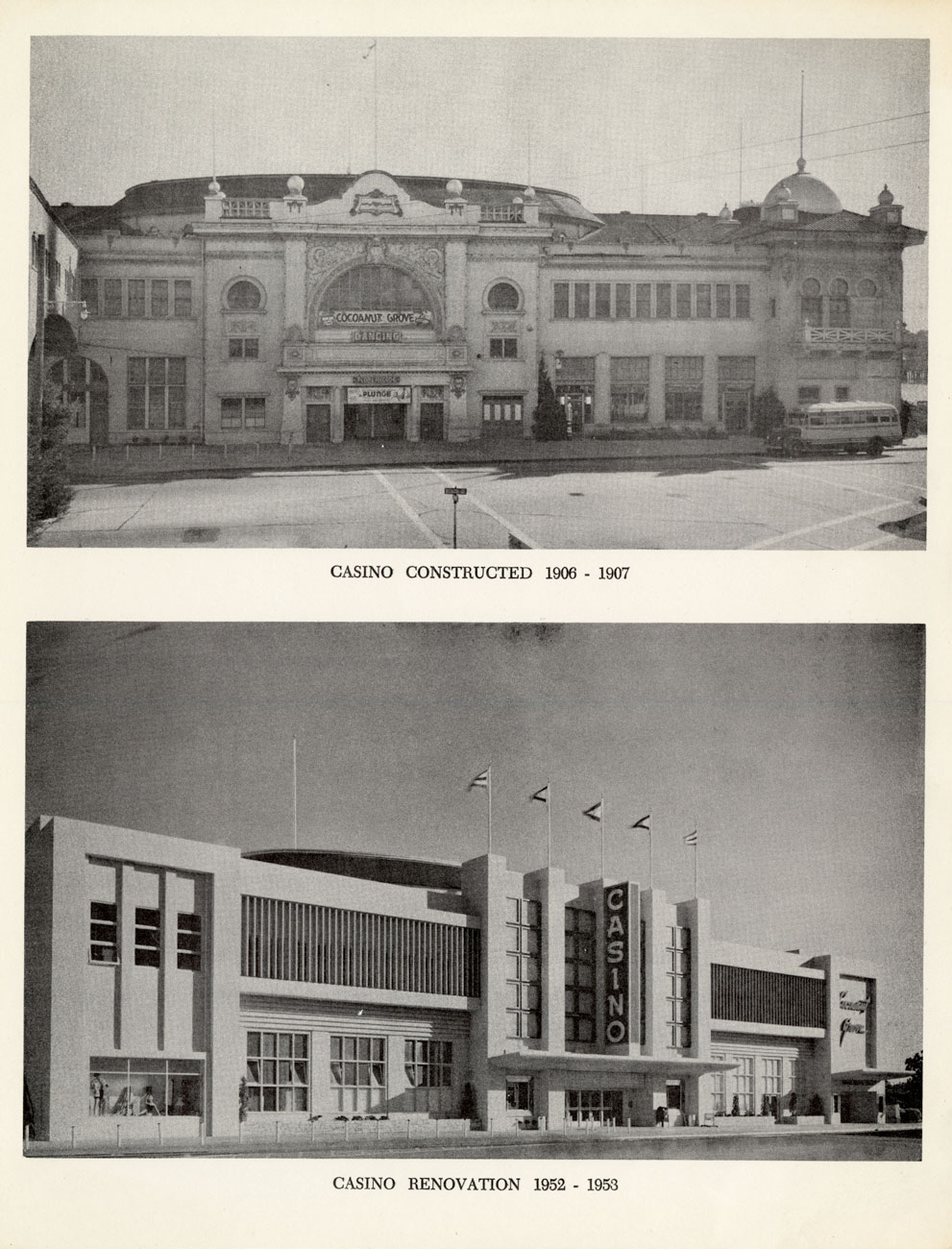
After the tough years of the Depression and World War II, the modernization of the Casino building marks the beginning of a series of improvement projects that elevate the look and feel of the Boardwalk. Completed by then Seaside Company president Laurence Canfield, it also marks the start of the Canfield family's legacy of continuously reinvesting in the park to make it better than before.
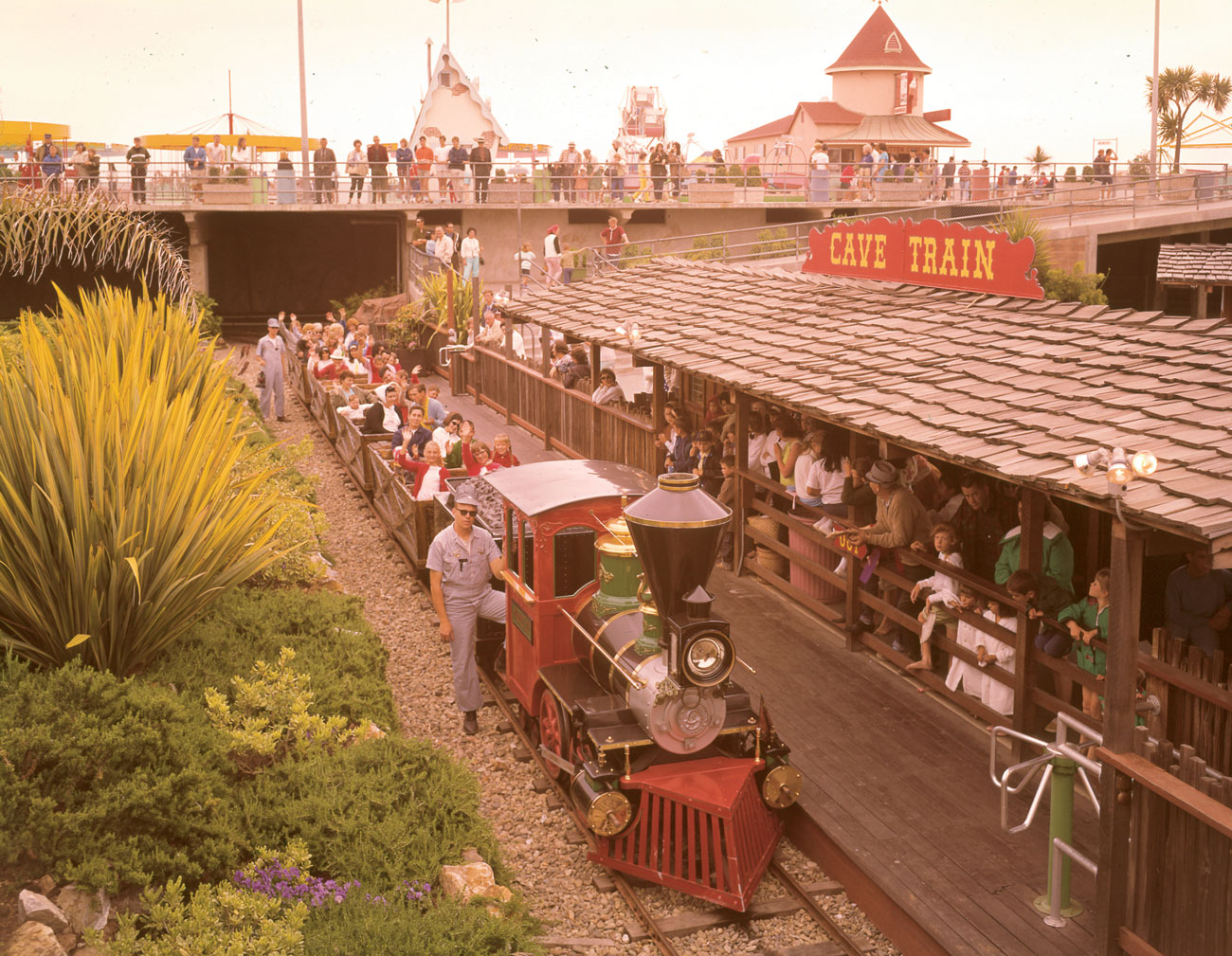
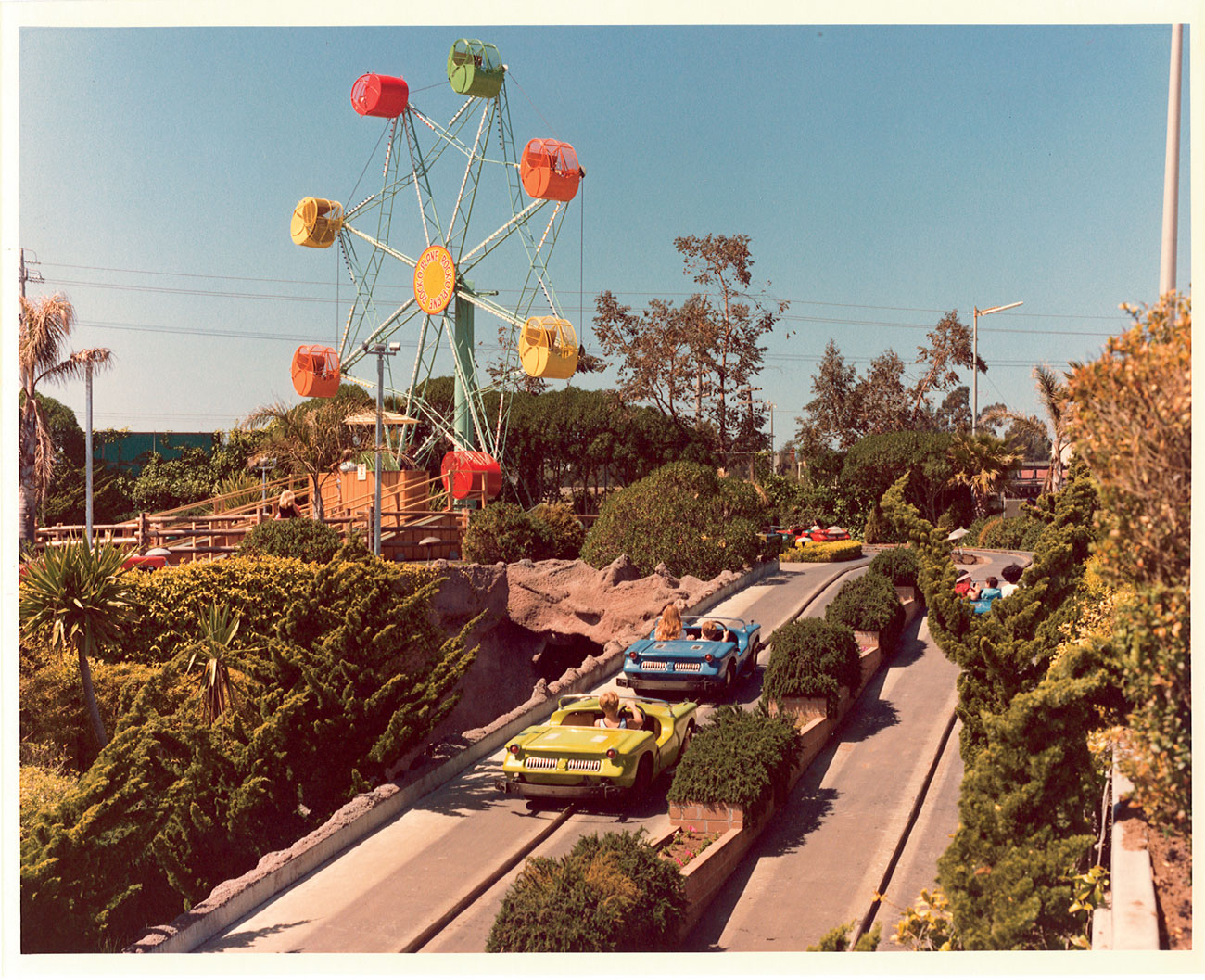
The popular Autorama and Cave Train rides open in the culmination of a major development of the Boardwalk's river end that also includes a massive basement to house rides and maintenance shops.
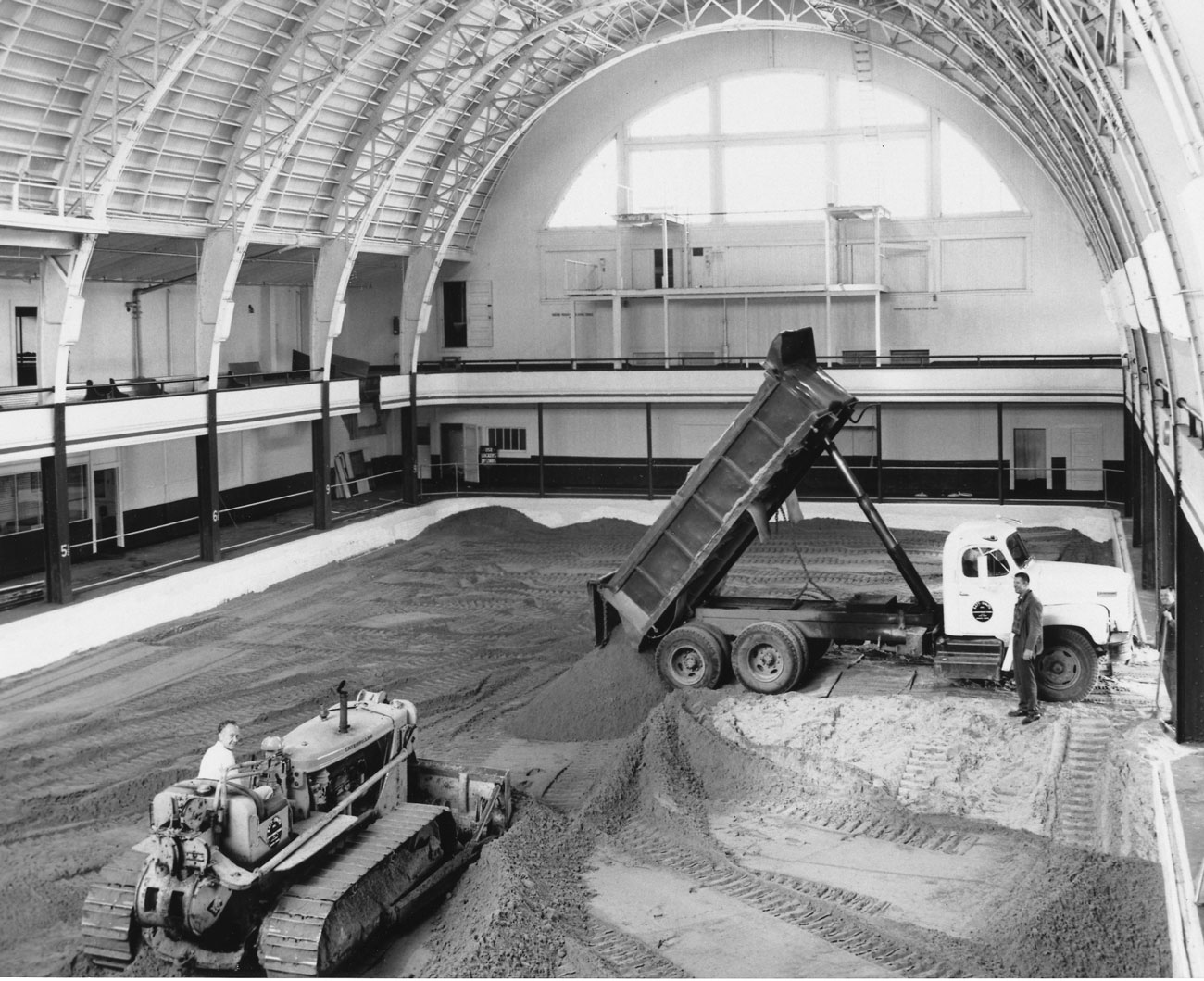
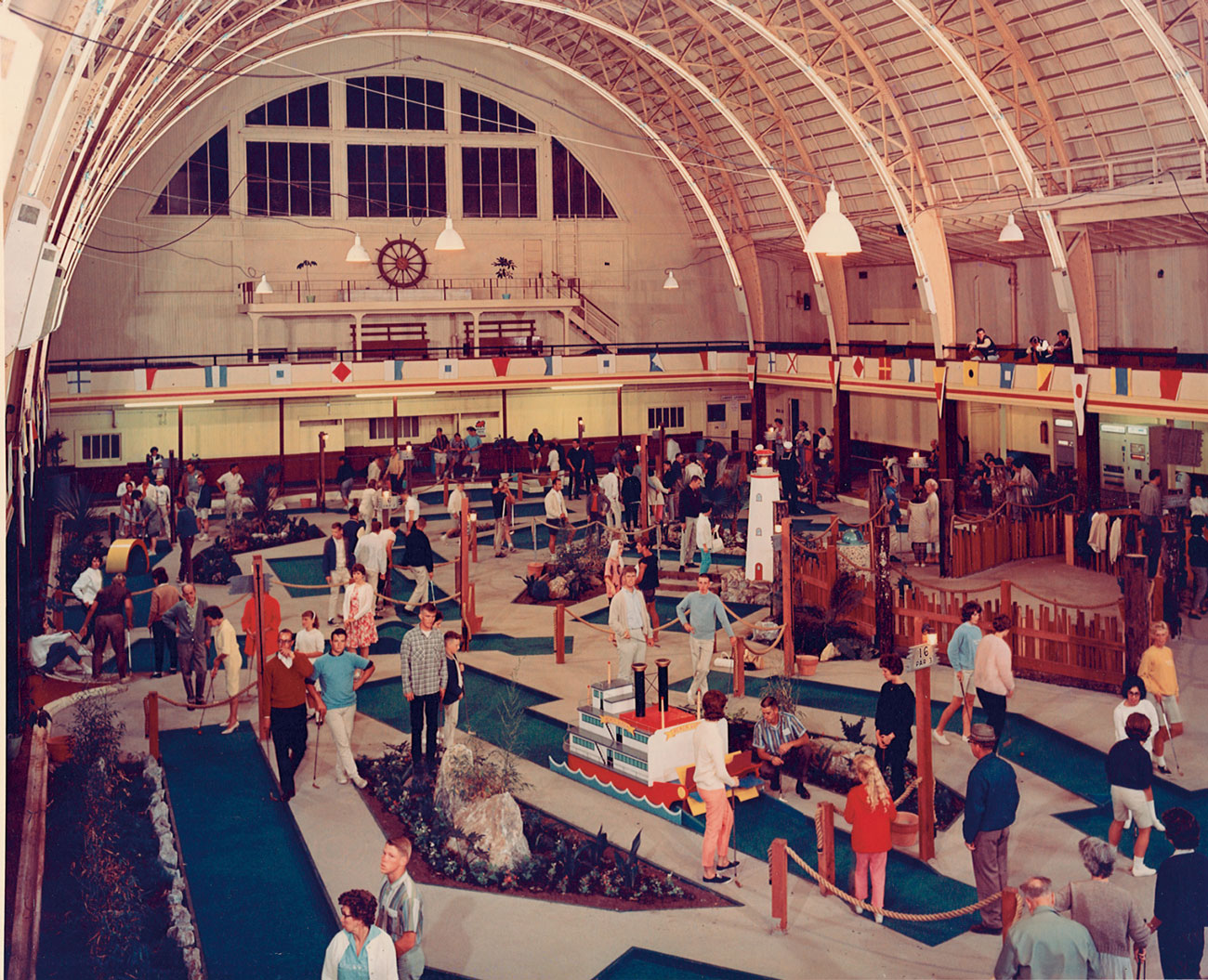
The Plunge pool is removed and replaced with a miniature golf course. When the Pleasure Pier is severely damaged during a winter storm, the Seaside Company management team is forced to make a tough decision: repair the pier and the pipe that brought water into the Plunge pool or demolish the pier and fill in the pool. Due to waning interest in swimming indoors and the cost of repairs the team decides to remove the pier and fill in the pool.
The pool is filled in with sand and a miniature golf course is put on top as a temporary attraction until a more permanent solution can be found. This course remains in place until the 1989 Loma Prieta earthquake.
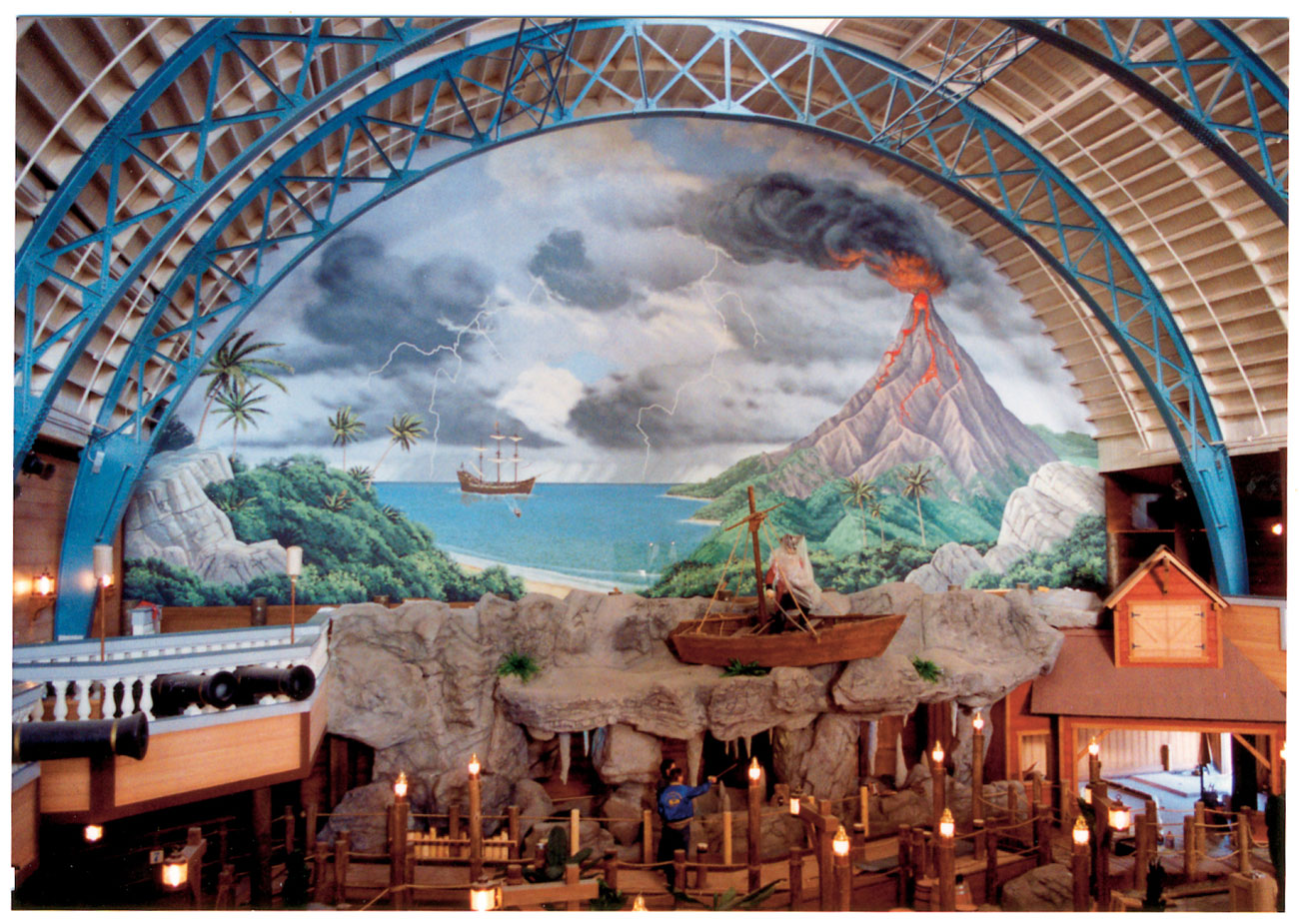
The 1989 Loma Prieta Earthquake prompts the renovation of the Plunge building. In 1991 Neptune's Kingdom, a nautical-themed entertainment center, opens. The immense original 1907 steel arches curve above the two-story, eighteen hole miniature golf course.
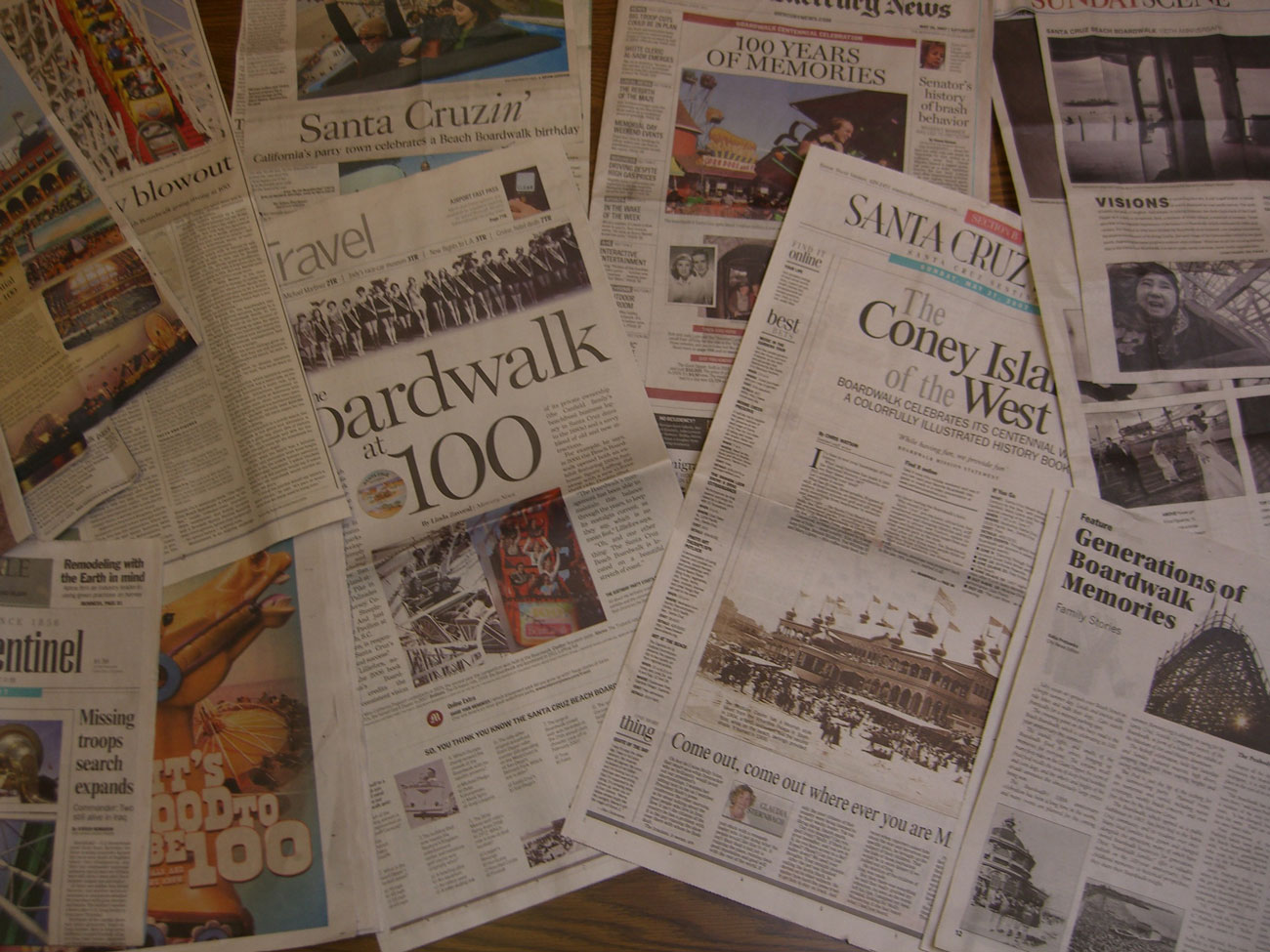
The Boardwalk gains national and international recognition and status during its centennial celebration with a series of special events, world-wide press coverage, award-winning PR and Marketing campaigns, and winning the Attractions Industry Golden Ticket Award for the Best Seaside Amusement Park.